
Peptide Calculator
Our free peptide calculator helps you find accurate dosing, syringe units, and reconstitution volumes for 30+ peptides. Select your peptide, enter your values, and get instant results with a visual syringe guide.
Peptide Reconstitution Calculator
Use this free peptide calculator to get accurate dosing. Select a peptide or enter custom values. All calculations are performed locally in your browser.
Your Results
Buy Research Peptides
Calculated your dose? Order research-grade peptides at 99% purity, third-party tested. Add to cart and check out in seconds over WhatsApp.
Semaglutide
The most-researched GLP-1 peptide for metabolic studies.
Tirzepatide
Dual GIP / GLP-1 agonist -- the most requested research peptide.
TB-500
Thymosin Beta-4 -- systemic repair and recovery research.
How to Use This Peptide Calculator
Select Peptide
Choose from the peptide calculator database of 30+ peptides or enter custom values. Each peptide comes with preset typical dose ranges and common vial sizes.
Enter Vial Strength
Select your vial's total peptide content in milligrams (mg). Use the preset buttons or enter a custom amount.
Add Water Amount
Enter how much bacteriostatic water you added (or plan to add) to the vial in milliliters (mL).
Read Your Dose
The peptide calculator shows your exact concentration, volume to draw, syringe units, and doses per vial -- plus a visual syringe indicator.
How Peptide Reconstitution Works
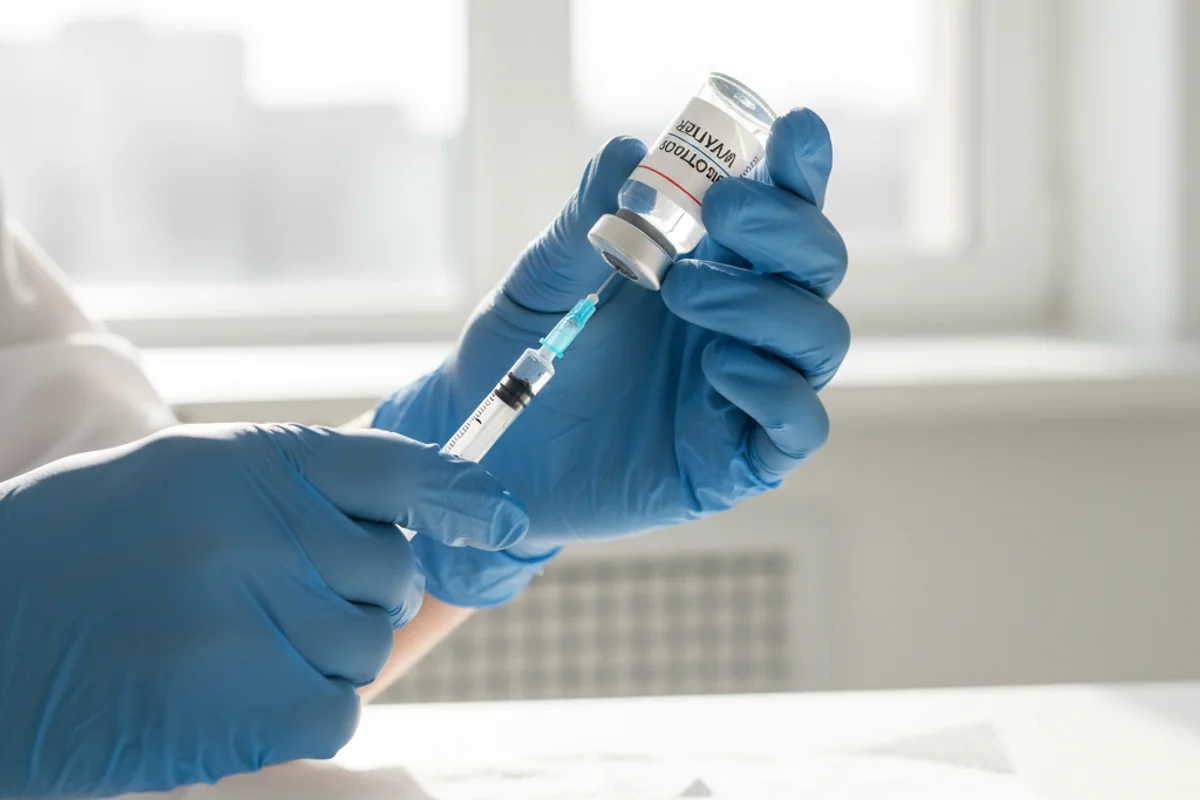
What is Reconstitution?
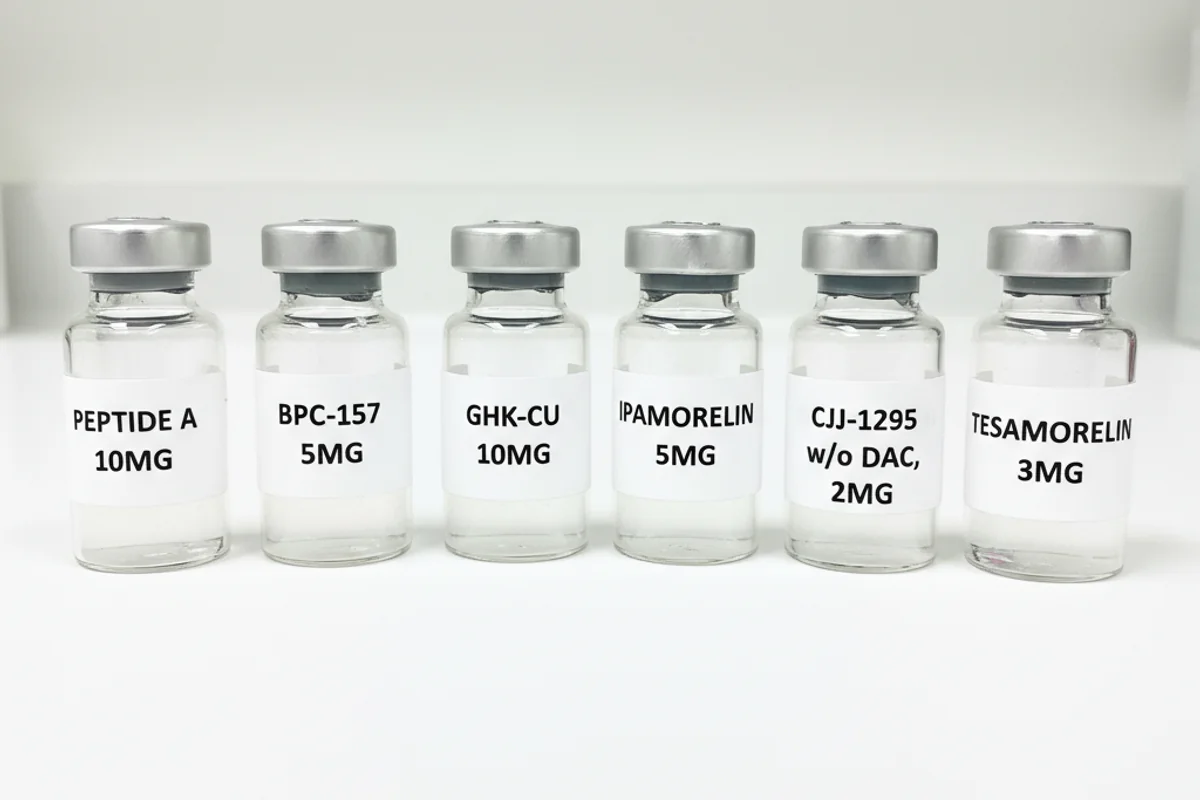
Peptides are shipped as a lyophilized (freeze-dried) powder because the dry form is significantly more stable than a liquid solution. Reconstitution is the process of adding bacteriostatic water (BAC water) to this powder to create an injectable solution.
The Math Behind It
Why Bacteriostatic Water?
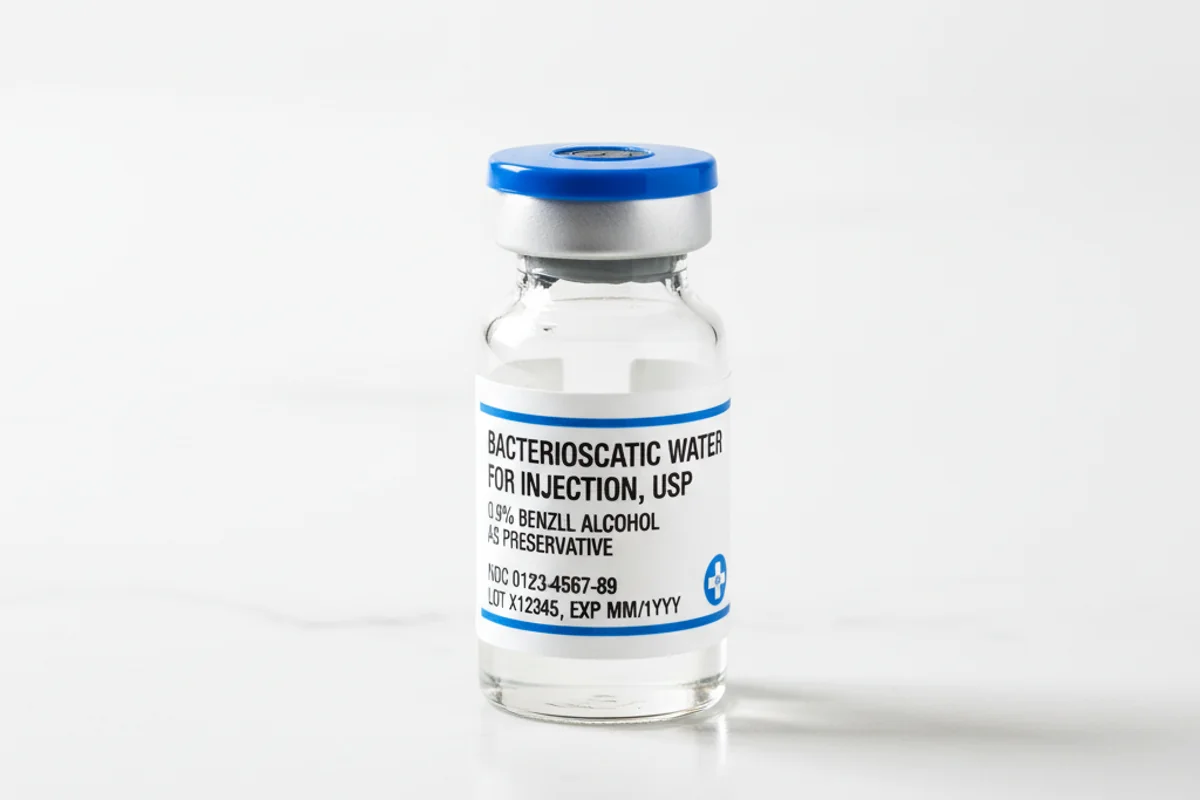
Bacteriostatic water contains 0.9% benzyl alcohol, which inhibits bacterial growth. This allows you to draw from the same vial multiple times over several weeks without contamination.
Proper Technique
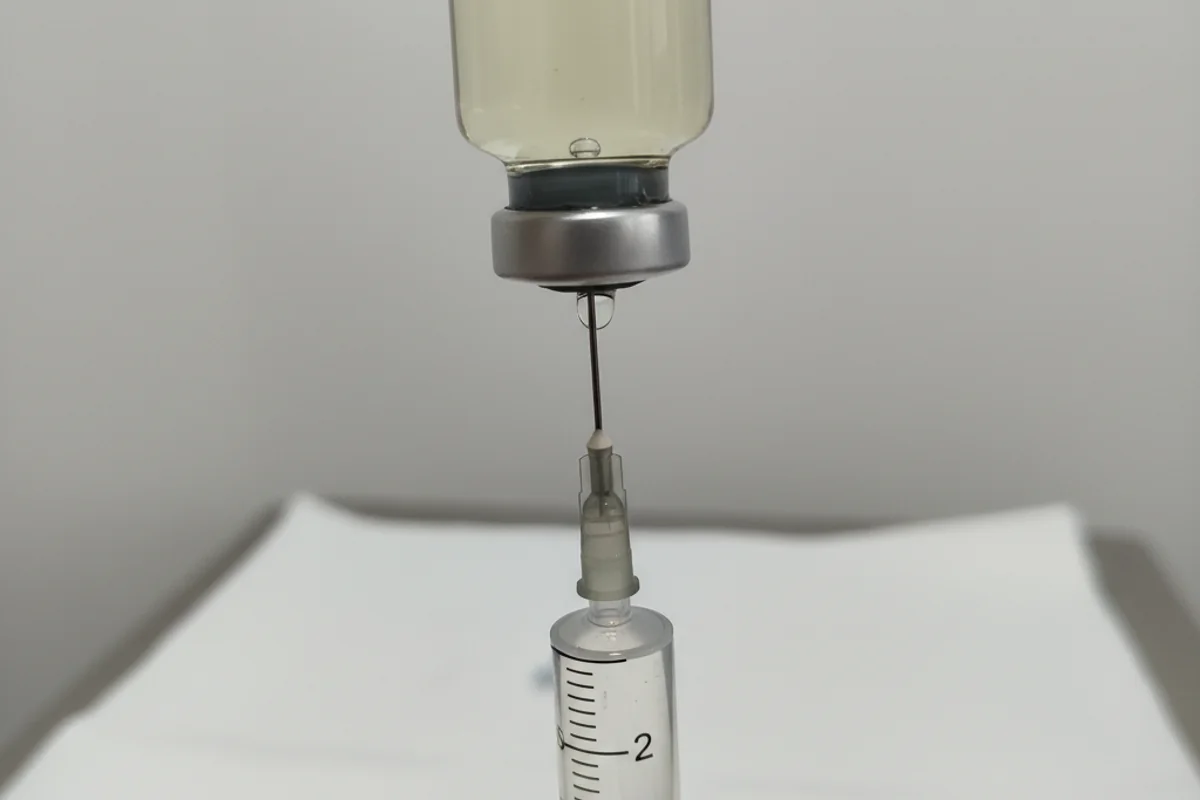
Aim the stream of water down the inside wall of the vial rather than directly onto the powder. After adding water, gently swirl the vial -- never shake it. Most peptides dissolve within seconds.
Peptide Dosing Quick Reference
Typical dose ranges from published research. Always verify dosing with a qualified healthcare professional.
| Peptide | Category | Typical Dose | Frequency | Route | Calculator |
|---|---|---|---|---|---|
| BPC-157 | Healing & Recovery | 250 mcg - 500 mcg | 1-2x daily | Subcutaneous injection | Open |
| TB-500 | Healing & Recovery | 2 mg - 5 mg | 2x per week (loading), 1x per week (maintenance) | Subcutaneous or intramuscular injection | Open |
| Semaglutide | GLP-1 / Weight Management | 250 mcg - 2.40 mg | 1x per week | Subcutaneous injection | Open |
| Tirzepatide | GLP-1 / Weight Management | 2.50 mg - 15 mg | 1x per week | Subcutaneous injection | Open |
| CJC-1295 (with DAC) | Growth Hormone Secretagogues | 1 mg - 2 mg | 1-2x per week | Subcutaneous injection | Open |
| CJC-1295 (no DAC) / Mod GRF 1-29 | Growth Hormone Secretagogues | 100 mcg - 300 mcg | 2-3x daily | Subcutaneous injection | Open |
| Ipamorelin | Growth Hormone Secretagogues | 200 mcg - 300 mcg | 2-3x daily | Subcutaneous injection | Open |
| GHRP-6 | Growth Hormone Secretagogues | 100 mcg - 300 mcg | 2-3x daily | Subcutaneous injection | -- |
| GHRP-2 | Growth Hormone Secretagogues | 100 mcg - 300 mcg | 2-3x daily | Subcutaneous injection | -- |
| GHK-Cu | Healing & Recovery | 1 mg - 2 mg | 1x daily | Subcutaneous injection or topical | -- |
| Epithalon | Longevity | 5 mg - 10 mg | 1x daily for 10-20 days | Subcutaneous injection | -- |
| PT-141 (Bremelanotide) | Sexual Health | 1 mg - 2 mg | As needed (max 1x per 24 hours) | Subcutaneous injection | Open |
| Melanotan II | Tanning / Sexual Health | 250 mcg - 1 mg | 1x daily (loading), then maintenance | Subcutaneous injection | Open |
| AOD-9604 | Weight Management | 300 mcg - 600 mcg | 1x daily | Subcutaneous injection | -- |
| HGH Fragment 176-191 | Weight Management | 250 mcg - 500 mcg | 1-2x daily | Subcutaneous injection | -- |
| Sermorelin | Growth Hormone Secretagogues | 200 mcg - 500 mcg | 1x daily (before bed) | Subcutaneous injection | -- |
| Hexarelin | Growth Hormone Secretagogues | 100 mcg - 200 mcg | 2-3x daily (max 4 weeks) | Subcutaneous injection | -- |
| Selank | Nootropic / Anxiolytic | 250 mcg - 500 mcg | 1-3x daily | Intranasal or subcutaneous | -- |
| Semax | Nootropic / Neuroprotective | 200 mcg - 600 mcg | 1-3x daily | Intranasal | -- |
| Kisspeptin-10 | Hormonal / Reproductive | 50 mcg - 100 mcg | 1-2x daily | Subcutaneous injection | -- |
| DSIP (Delta Sleep-Inducing Peptide) | Sleep / Recovery | 100 mcg - 300 mcg | 1x daily (before bed) | Subcutaneous or intranasal | -- |
| Gonadorelin | Hormonal / Reproductive | 100 mcg - 500 mcg | 2-3x per week | Subcutaneous injection | -- |
| Tesamorelin | Growth Hormone Secretagogues | 1 mg - 2 mg | 1x daily | Subcutaneous injection | -- |
| IGF-1 LR3 | Growth / Muscle | 20 mcg - 100 mcg | 1x daily (training days) | Subcutaneous or intramuscular injection | -- |
| Follistatin 344 | Growth / Muscle | 100 mcg - 300 mcg | 1x daily for 10-30 days | Subcutaneous injection | -- |
| GLP-1 (Generic) | GLP-1 / Weight Management | 500 mcg - 3 mg | Varies by specific analog | Subcutaneous injection | -- |
| Retatrutide | GLP-1 / Weight Management | 500 mcg - 12 mg | 1x per week | Subcutaneous injection | Open |
| NAD+ | Longevity | 50 mg - 500 mg | 1-3x per week | Intravenous (IV) or subcutaneous | -- |
| Dihexa | Nootropic / Neuroprotective | 10 mg - 20 mg | 1x daily (oral or subQ) | Oral (sublingual) or subcutaneous | -- |
| SS-31 (Elamipretide) | Longevity / Mitochondrial | 5 mg - 40 mg | 1x daily | Subcutaneous injection | -- |
Individual Peptide Calculators
Each peptide calculator page has peptide-specific dosing information, FAQs, and pre-loaded defaults for instant results.
BPC-157
Healing & Recovery
250 mcg - 500 mcg | 1-2x daily
TB-500
Healing & Recovery
2 mg - 5 mg | 2x per week (loading), 1x per week (maintenance)
Semaglutide
GLP-1 / Weight Management
250 mcg - 2.40 mg | 1x per week
Tirzepatide
GLP-1 / Weight Management
2.50 mg - 15 mg | 1x per week
CJC-1295 (with DAC)
Growth Hormone Secretagogues
1 mg - 2 mg | 1-2x per week
CJC-1295 (no DAC) / Mod GRF 1-29
Growth Hormone Secretagogues
100 mcg - 300 mcg | 2-3x daily
Ipamorelin
Growth Hormone Secretagogues
200 mcg - 300 mcg | 2-3x daily
PT-141 (Bremelanotide)
Sexual Health
1 mg - 2 mg | As needed (max 1x per 24 hours)
Melanotan II
Tanning / Sexual Health
250 mcg - 1 mg | 1x daily (loading), then maintenance
Retatrutide
GLP-1 / Weight Management
500 mcg - 12 mg | 1x per week
How to Read an Insulin Syringe for Peptide Dosing
Understanding U-100 insulin syringe markings is essential for accurate peptide dosing.
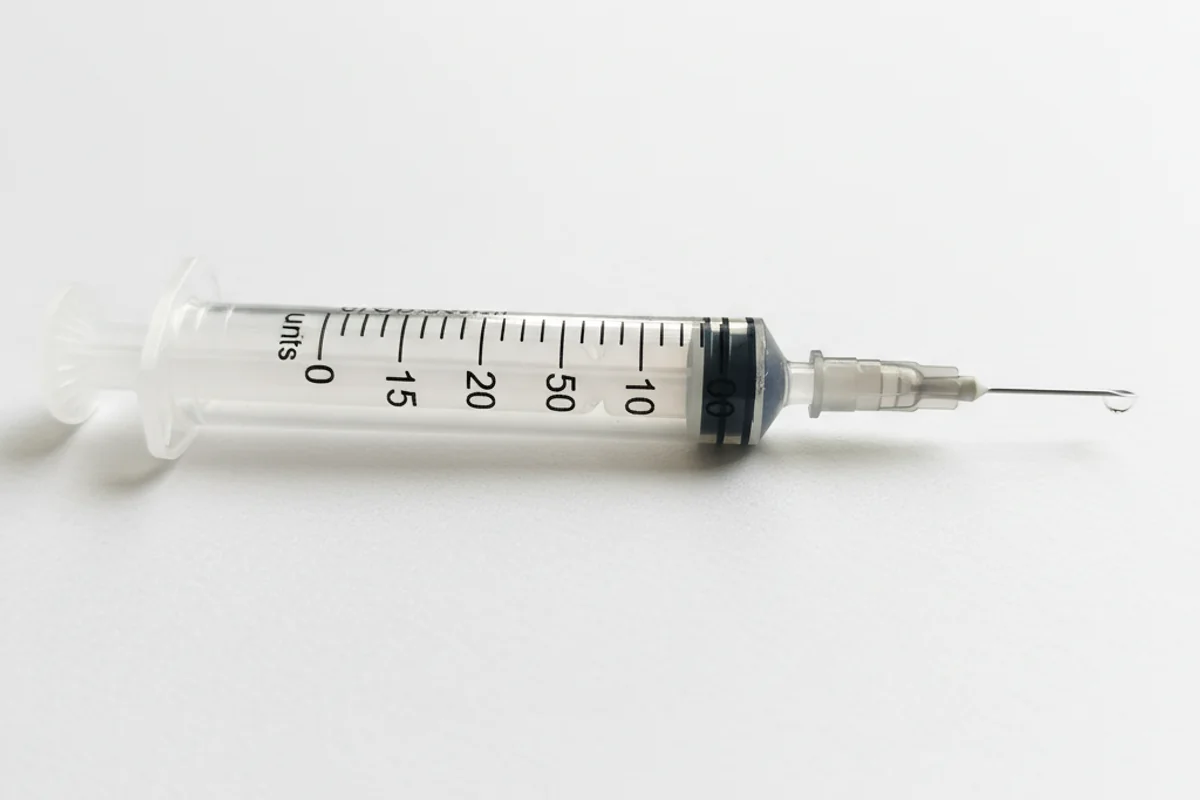
0.3 mL Syringe (30 units)
Best for small doses. Each small tick = 0.5 units. Most precise for microgram-range peptides.
0.5 mL Syringe (50 units)
Good middle ground. Each small tick = 1 unit. Most common for peptide injections.
1 mL Syringe (100 units)
For larger volumes. Each small tick = 2 units. Used for high-volume or dilute doses.
Key: On any U-100 syringe, 100 units = 1 mL. Our peptide calculator shows both.
Peptide Safety and Best Practices
Follow these essential guidelines for safe peptide handling and storage.
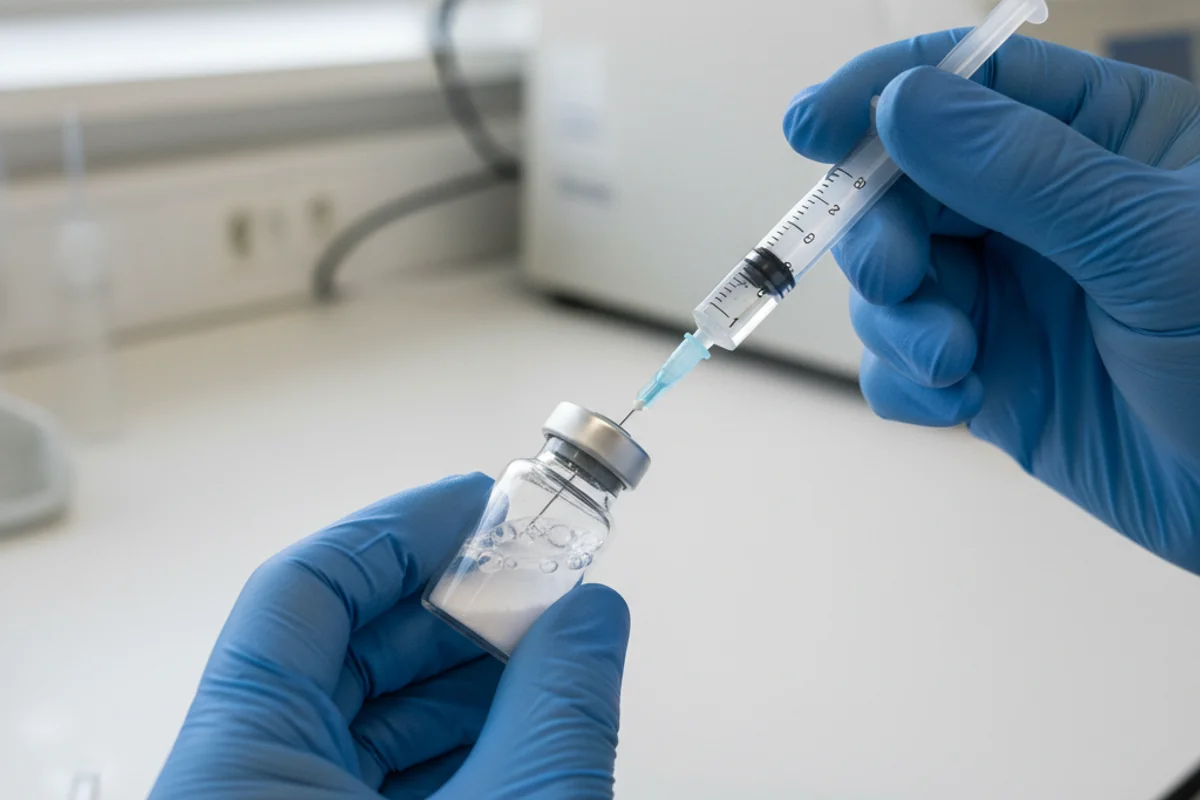
Always Use Sterile Technique
Swab vial tops with alcohol before each draw. Use a new needle for each injection. Never touch the needle to any non-sterile surface.
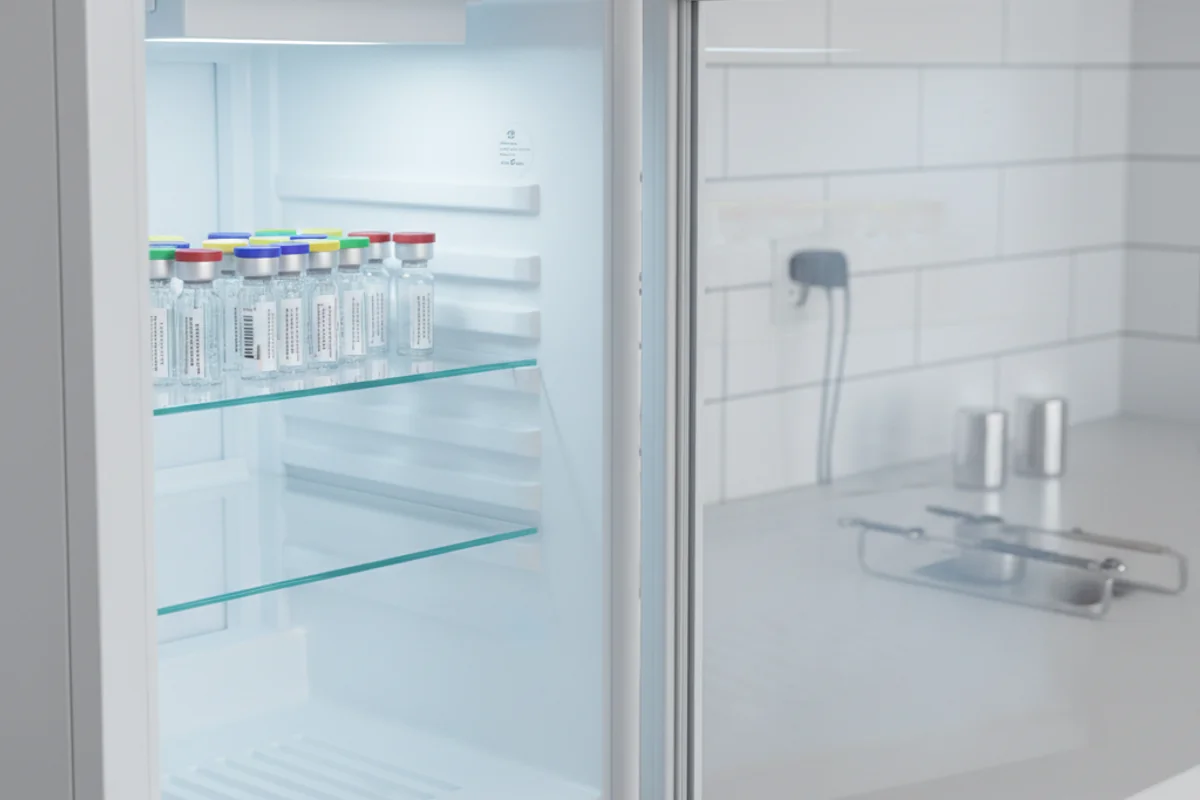
Store Properly
Unreconstituted peptides can be stored at room temperature or refrigerated. Once reconstituted, always refrigerate at 2-8 C. Never freeze.
Respect Expiration Dates
Most reconstituted peptides are stable for 14-30 days when refrigerated. Mark the reconstitution date on your vial.
Start Low and Go Slow
Always start at the lower end of the typical dose range. Assess your response over several days before increasing.
Backed by Published Research
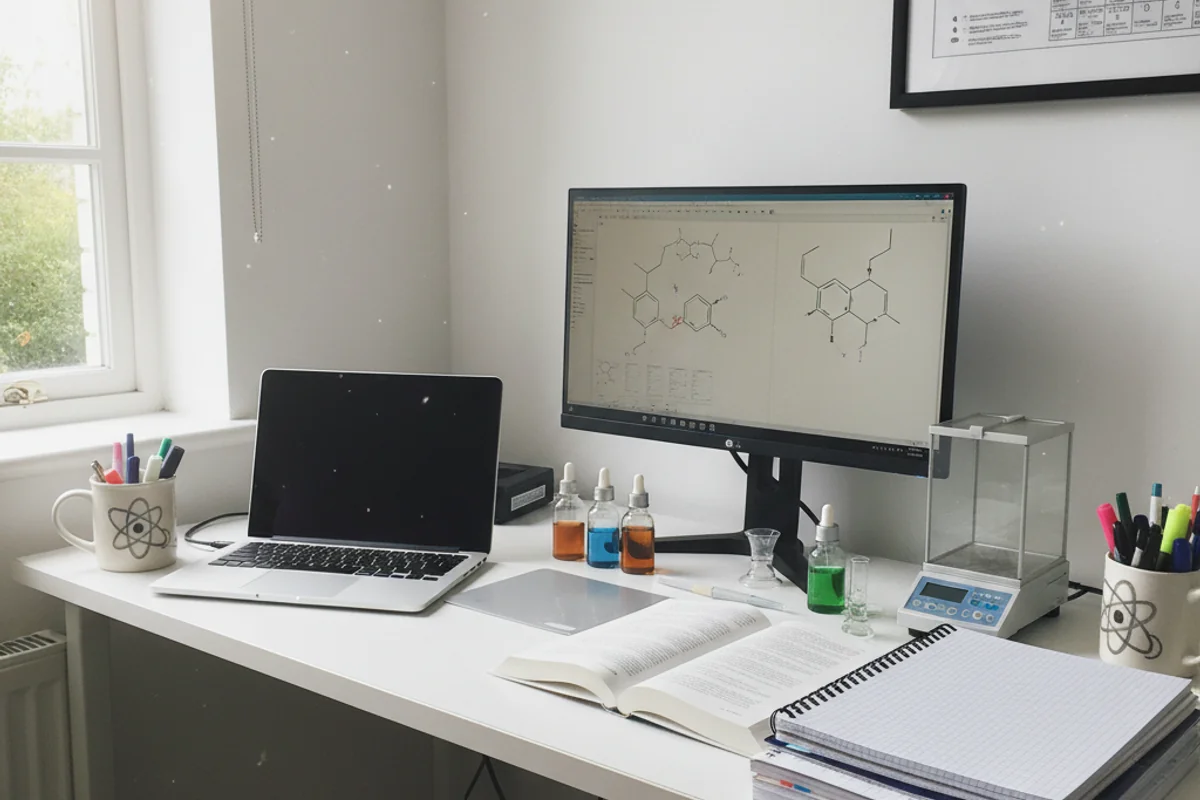
Every peptide in our database is supported by peer-reviewed scientific studies from PubMed and major journals.
The Science Behind BPC-157: A Complete Research Review
An in-depth analysis of published research on BPC-157, covering mechanisms of action, tissue healing pathways, and clinical evidence for this gastric pentadecapeptide.
12 min readSemaglutide for Weight Loss: Clinical Trial Results
Comprehensive review of the STEP clinical trial program for semaglutide 2.4mg, including weight loss outcomes, safety data, and long-term efficacy results.
14 min readTB-500 vs BPC-157: Comparing Recovery Peptides
Side-by-side comparison of TB-500 (thymosin beta-4) and BPC-157 based on published research, covering mechanisms, efficacy, and how they complement each other.
11 min readEducational Resources
Reconstitution Guide
Step-by-step guide to reconstituting peptides safely.

Dosing Chart
Comprehensive reference table for all 30+ peptides.
Syringe Guide
Learn to read U-100 insulin syringe markings accurately.
BAC Water Guide
Everything about bacteriostatic water and alternatives.
Storage Guide
How to store peptides for maximum stability.
Peptide Blog
In-depth guides, research reviews, and comparisons.
Latest from the Peptide Calculator Blog
In-depth guides, research reviews, and comparisons to help you understand peptides and use the calculator effectively.

BPC-157 Complete Guide: Benefits, Dosage, Side Effects

Semaglutide vs Tirzepatide: Which Is Better for Weight Loss?
TB-500 for Recovery: What the Research Shows
CJC-1295 + Ipamorelin Stack: The Ultimate Guide
Melanotan II: Everything You Need to Know

GHK-Cu for Skin Rejuvenation: Scientific Review
Frequently Asked Questions
Calculate Your Dose, Then Order Your Peptides
Use the free peptide calculator above for accurate reconstitution and dosing, then shop research-grade peptides at 99% purity with fast WhatsApp ordering.